
How to Build a Sustainable Exhibition Stand:
A Practical Guide for Modern Exhibitors
Designing an exhibition stand today isn’t just about visual impact — it’s about creating something memorable and environmentally responsible. As the events industry shifts toward greener practices, exhibitors are rethinking how stands are built, used and reused. A sustainable stand reduces waste, lowers long-term costs and reflects a commitment to responsible event participation.
Below is a comprehensive guide to building an exhibition stand that is functional, attractive and genuinely sustainable.
WHY SUSTAINABLE EXHIBITION STANDS MATTER
Sustainability is no longer a trend. It’s becoming an expectation across the events industry.
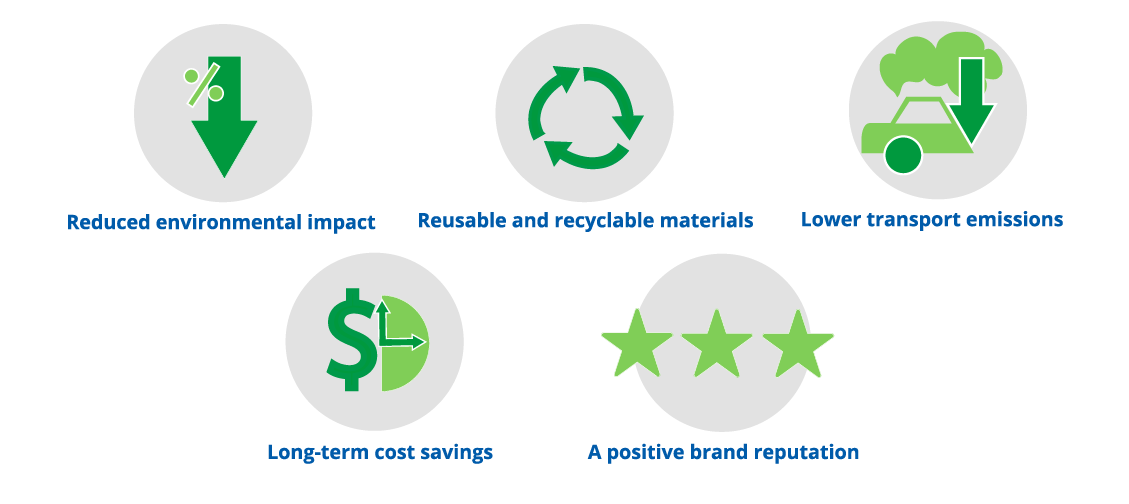
Traditional exhibition stands often involve single-use materials, excessive printing and large amounts of waste once the event ends. Sustainable design flips this approach by focusing on:
CHOOSE PARTNERS WHO PRIORITISE SUSTAINABILITY
A sustainable stand starts with the right collaborators. Work with suppliers, builders and designers who:
-
Use eco-friendly materials
-
Offer modular or reusable construction
-
Source locally to reduce transport emissions
-
Provide recycling or
take-back programs
When everyone involved shares the same environmental goals, the final result is far more cohesive and impactful.

DESIGN FOR LONGEVITY, NOT SINGLE USE
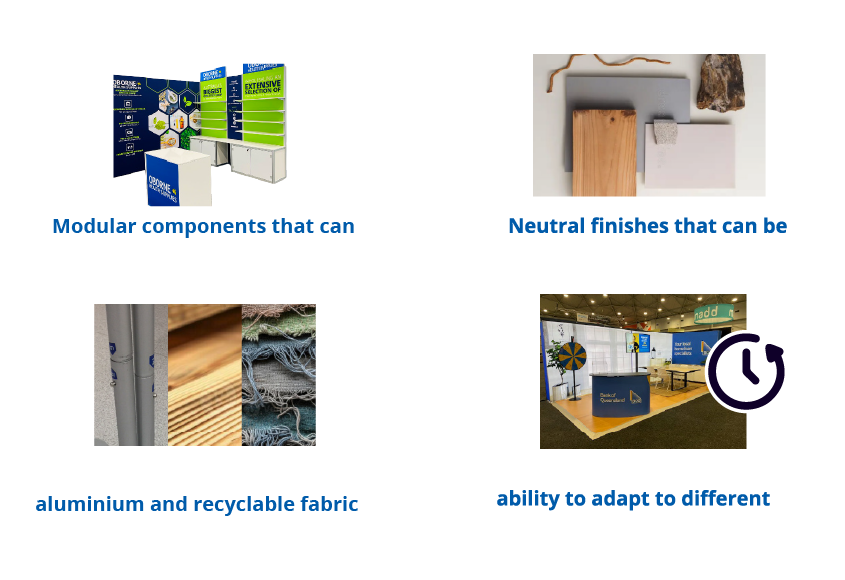
One of the most effective ways to reduce waste is to design a stand that can be reused for multiple events. This approach saves money, reduces waste and ensures your stand remains relevant over time.
Key design principles include:
HIRE ITEMS THAT CAN BE REUSED
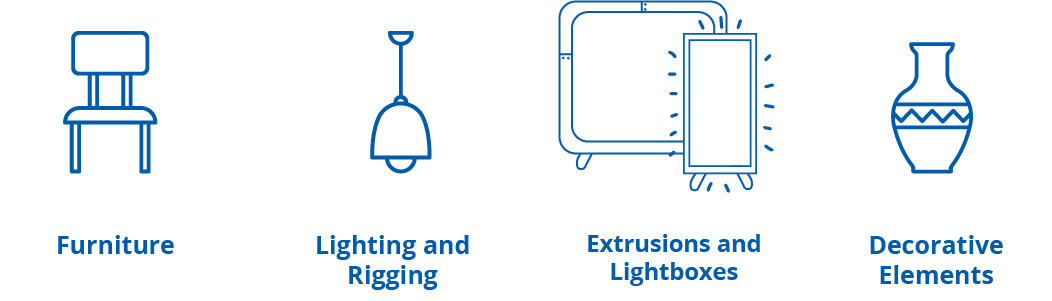
Hiring items dramatically reduces the environmental footprint of your stand. Hiring ensures items are reused across many events rather than being discarded after one use.
Consider hiring:

GO DIGITAL
Digital solutions reduce printing waste and allow for dynamic, flexible content. This not only cuts down on paper but also enhances the visitor experience with interactive content.
Sustainable digital options include:
-
Screens for branding, video and messaging
-
QR codes instead of printed brochures
-
Digital business cards
-
Laptop or tablet-based presentations

BUILD WITH REUSE AND RECYCLING IN MIND
Every component of your stand should have a plan for what happens after the event.
Sustainable choices include:
-
Aluminium frames that can be resized or recycled
-
Fabric graphics that can be recycled or repurposed
-
Timber structures designed for repainting and reconfiguration
-
LED lighting for reduced energy consumption
-
Reusable activation items rather than single-use giveaways
Thinking ahead ensures nothing ends up in landfill unnecessarily.

CONSIDER THE ENTIRE LIFECYCLE OF THE STAND
Sustainability isn’t just about materials — it’s about the full journey from design to dismantling.
A holistic approach includes:
-
Minimising transport emissions
-
Choosing energy-efficient lighting
-
Reducing packaging
-
Planning for multi-event reuse
-
Using local suppliers
-
Avoiding unnecessary printed collateral
This ensures your stand contributes to long-term environmental goals rather than being a one-off effort.

A STAND THAT’S SUSTAINABLE AND STRIKING
A sustainable exhibition stand can still be bold, creative and engaging. With thoughtful planning, modular design and eco-friendly materials, you can create a stand that stands out visually while also reflecting your commitment to environmental responsibility.
Sustainability doesn’t limit creativity — it enhances it by encouraging smarter, more innovative design choices.

SPYDER DISPLAYS
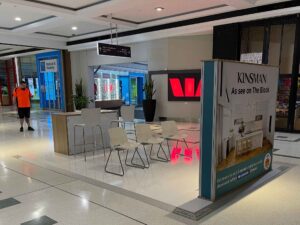
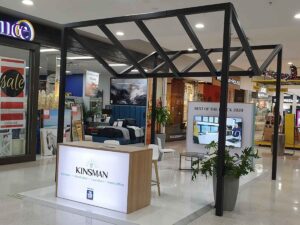
Spyder Displays is an Australian-owned company specialising in innovative, high-quality display solutions for exhibitions, events and retail environments. We offer a wide range of portable and custom display products designed for maximum visual impact, ease of setup and long-term reuse.Committed to sustainability, all our printing, manufacturing, sewing and finishing are completed locally in Australia using premium UV-stable dye-sublimation fabrics and durable materials. By focusing on reusable display systems, local production and long-lasting quality, we help businesses reduce waste, lower environmental impact and achieve greater value from their display investments.